Feel the rhythm and souk of Riverfront Park

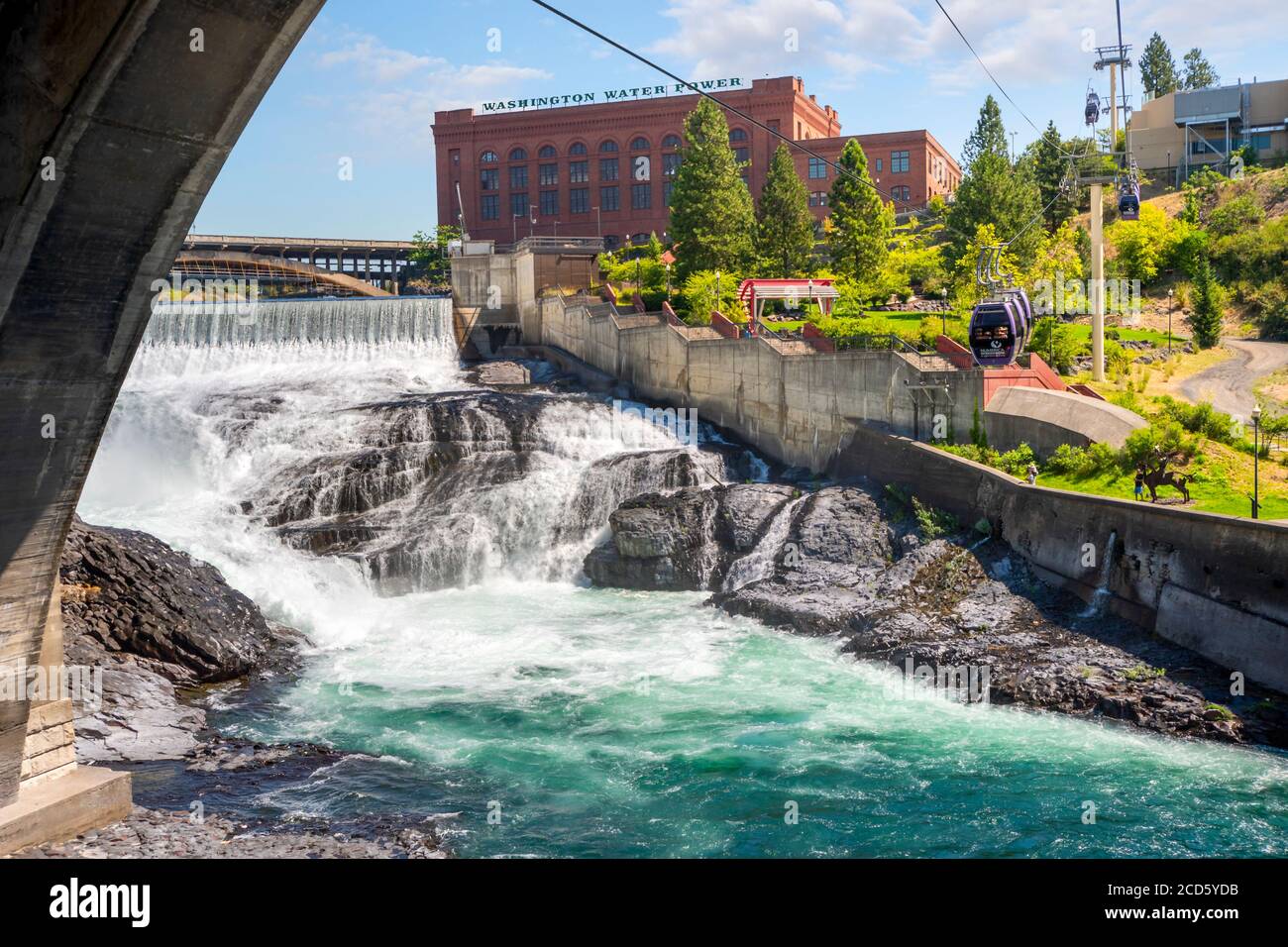
The Spokane River Falls are Spokane’s finest natural attraction, as well as the heart of Park. Located in the core of Spokane, the falls of the Spokane River flow and often rage as the seasons change
SPOKANE
The City of Spokane’s Riverfront Park is considered one of the most scenic urban parks in the nation. With over 64 acres to explore, much of it located on an island, you are sure to discover the magnificent Spokane Falls and River, the Expo ’74 U.S. Pavilion, 1902 Clock Tower, 1909 Looff Carrousel, multiple sculptures, Centennial Trail, and inviting meadows and conservation areas. There is something to discover around every corner. Wildlife consists of ospreys, beaver, marmots, ducks, geese and occasionally deer and coyotes.
The Spokane River Falls are Spokane’s finest natural attraction, as well as the heart of Riverfront Park. Located in the core of Spokane, the falls of the Spokane River flow and often rage as the seasons change. The Spokane River flows from Lake Coeur d’Alene to Lake Roosevelt and the Spokane Falls are perhaps the most dramatic transition along the 111 mile run. From the earliest of times, the Spokane Falls were a gathering place for the Spokane Tribe of Indians as a source of food and beauty. Many generations later, the falls became a gathering place for all nations with Expo ’74 and is still shared daily by people from around the world.
Early settlement around the falls began in 1871 with the construction of a water driven sawmill on the south bank of the river. In 1873 the original sawmill was purchased, along with 160 acres, with the hidden intent of establishing a town. Within only a few years, the development of the City of Spokane had begun and industry began to take over the downtown riverfront. In the late 1940s the beautiful and bountiful Spokane Falls had fallen victim to industrial pollution, rail yards, and factories. By 1961 the falls industrial district had become a focus of concern and the City of Spokane adopted its first Master Plan for this area focused on urban renewal. In 1964 the city adopted the Riverfront and Great Gorge Park Development Statement which directed new urban projects to clean up and improve the riverfront area. Conceptually this ideal opened the doors for revitalization which came to fruition in the form of the 1974 World’s Fair. The World Expo was focused on environmentalism and provided the perfect platform for revitalization and a green future. The newly restored Riverfront Park drew people to the falls, brought the green message and prosperity to the people of Spokane on many levels.
Today the Spokane Falls are a pristine Northwest attraction, drawing tens of thousands of spectators throughout the year. The best time of the year to view the falls is in early spring when the winter run-off rages. The best view of the falls comes from the gondola cars of the Spokane Falls SkyRide. There are several stationary viewpoints throughout the park as well. We look forward to sharing this spectacular regional treasure with you upon your next visit to the park. Don’t forget to bring your camera.
This popular water feature serves as a gateway marker for the south entrance to the park. After 13 years, the mechanical and electrical elements of the fountain were in need of repair, and the timing was ideal given the construction at the nearby Looff Carrousel and Howard Street South Bridge sites. The beloved Harold Balazs artwork is unchanged. We’re adding a rock seating area around the fountain for improved safety and comfort.
Dedicated on September 1, 2005 to “the people of Spokane” and under the care of the Spokane Parks Department, the fountain is destined to be a popular attraction for many years to come. The Downtown Spokane Rotary Club 21 and the Spokane Parks Department worked together to make the fountain a reality. Financial support was also provided by numerous donors whose names appear around the fountain. Harold Balazs is the artist.
The fountain has five stainless steel columns that are 24 feet tall. These support a 30 foot diameter ring containing 40 overhead jets. The jets spray towards the middle of the fountain producing a dome of water and a waterfall in the fountain’s center. Eight geysers shoot water upwards. The fountain also has dozens of mist jets, and the five boulders have jets that spray sideways. To conserve water, the fountain water is filtered and recirculated. The fountain re-opened spring 2018 along with the Looff Carrousel and Howard Street Bridge South.
Ends