Benga block party in LA: How Bien turned the 2026 NBA All-Star Weekend into his own global show

The palm trees of Los Angeles were swaying, but the rhythm on the ground was pure Nairobi
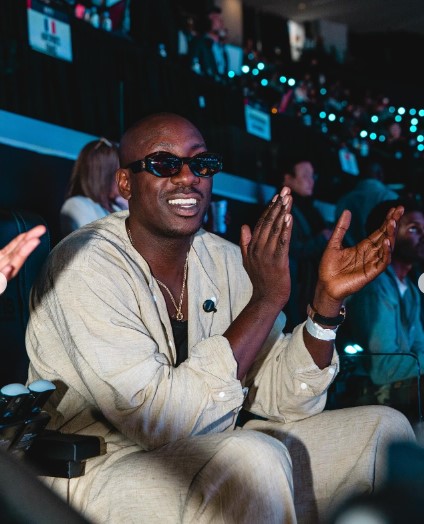
As the sun slipped behind the Los Angeles hills, smearing the skyline with strokes of crimson, gold, and pure cinematic arrogance, the 2026 NBA All-Star Weekend roared to life. The city pulsed like a drumline, its streets humming with fans from every corner of the globe. But when Bien-Aimé Baraza, Kenya’s own Bien, stepped into the frame, the energy shifted. It wasn’t just celebrity wattage; it was cultural voltage. Here was an East African troubadour turned global ambassador, carrying NBA Africa on his shoulders with the ease of a man carrying a melody.
Bien arrived at the Intuit Dome draped in the Old School x NBA Africa apparel line, a sartorial thesis on heritage and modernity. Every stitch whispered of home: the hands that weave, the rhythms that shape identity, the quiet rebellion of African craftsmanship refusing to be background noise. Beside him, his wife and manager, Chiki Kuruka, glided with the kind of confidence that makes cameras behave. Together, they looked less like a couple and more like a manifesto; love, ambition, and cultural pride rendered in high definition.
Inside, the air crackled with th e kind of electricity only fame, politics, and sport can conjure. Bien floated through the constellation of stars with the grace of a man who knows he belongs. Then came the moment that felt almost mythic: a conversation with Rwandan President Paul Kagame. Two minds, two missions, one continent. They spoke of Rwanda’s audacious sports strategy, the meteoric rise of the Basketball Africa League, and the quiet revolution unfolding across African youth. Bien, ever the philosopher in sunglasses, distilled it perfectly: “It’s about more than the game. It’s the infrastructure of our dreams. Africa isn’t watching the NBA anymore; we’re part of the architecture.”
Throughout the weekend, Bien became a kind of cultural DJ; blending, bridging, remixing worlds. He performed at exclusive parties, mentored young African athletes, and even dropped an NBA-themed track at an after-party, fusing Kenyan benga with hip-hop swagger. The room moved as one, a kaleidoscope of accents, styles, and stories dancing to a rhythm that felt unmistakably African. Media personalities like Jamad Fiin and athletes from across the continent joined the orbit, forming a coalition of creativity that made the global stage feel suddenly, beautifully small.
But beneath the glitz, the real magic was unity. As the All-Star games unfolded, athletes soaring, spinning, defying gravity, Bien watched with a smile that said he understood the poetry of it all. The court was a stage, the players were dancers, and the entire weekend was a reminder that talent, like music, knows no borders.
By the time the lights dimmed on Sunday night, Bien felt something deeper than satisfaction. Gratitude. Purpose. A sense that he had helped widen the path for the next generation of African stars, the ones who will one day walk the same red carpet, wearing their heritage not as an accessory but as armor.
The All-Star Weekend ended, but its echoes lingered: African music in the speakers, African fashion on the runway, African athletes in the spotlight, and African voices, like Bien’s, shaping the global narrative with rhythm, pride, and unshakable clarity.